Choosing the right cookware can make a significant difference to how you cook, the results you achieve and how enjoyable the process feels. With so many options available, from stainless steel and non-stick to cast iron and ceramic, it can be difficult to know which material is best suited to your needs.
This guide breaks down the most common cookware materials, explaining their strengths, weaknesses and ideal uses. Whether you are building a new kitchen setup or upgrading your current pans, understanding these differences will help you make a smarter choice.
Stainless Steel Cookware
Stainless steel is one of the most popular choices for everyday cooking. It is durable, resistant to rust and corrosion, and suitable for a wide range of cooking styles.
One of the key advantages of stainless steel is its versatility. It works well for frying, sautéing, boiling and simmering. It also handles high heat better than many non-stick options, making it ideal for browning meat and creating sauces.
However, stainless steel is not naturally non-stick, so food can stick if not used correctly. Preheating the pan and using enough oil can help reduce this issue.
Non-Stick Cookware
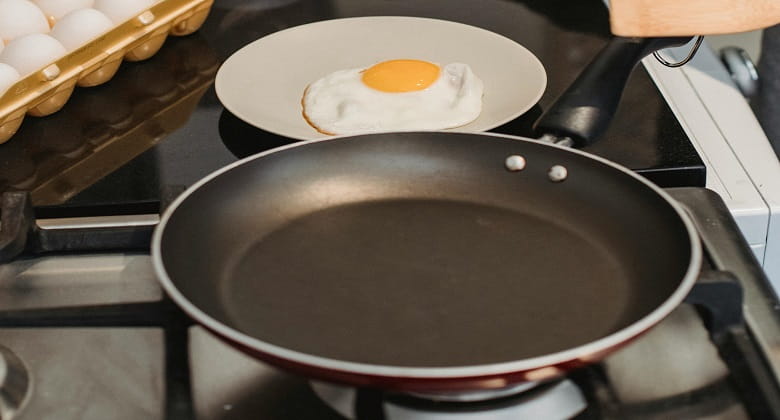
Non-stick pans are designed to prevent food from sticking, making them ideal for cooking delicate items such as eggs, pancakes and fish.
They require less oil, which can be helpful for healthier cooking. They are also easy to clean, making them convenient for everyday use.
On the downside, non-stick coatings can wear over time and are generally less suitable for high-heat cooking. Using metal utensils or abrasive cleaning tools can damage the surface.
Cast Iron Cookware
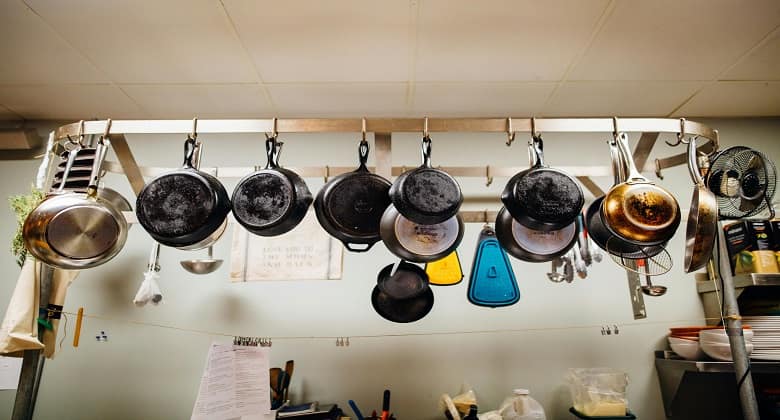
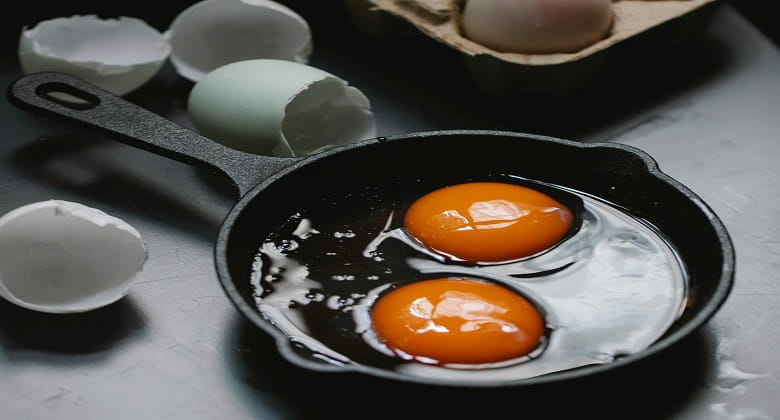
Cast iron is known for its excellent heat retention and durability. Once heated, it maintains a consistent temperature, making it ideal for searing, frying and baking.
Cast iron can last for decades if properly cared for. Many pans develop a natural non-stick surface over time through seasoning.
However, cast iron is heavy and requires more maintenance than other materials. It must be dried properly and occasionally re-seasoned to prevent rust.
Aluminium and Hard-Anodised Cookware
Aluminium is lightweight and conducts heat well, making it a popular base material. Hard-anodised aluminium is treated to improve durability and resistance to scratches.
These pans often combine good heat distribution with relatively low weight, making them easy to handle.
Ceramic Cookware
Ceramic-coated cookware offers a non-stick surface without traditional coatings. It is often marketed as a more environmentally friendly option.
While easy to use and clean, ceramic coatings can lose their non-stick properties over time.
Which Material Should You Choose?
The best cookware material depends on your cooking style. Stainless steel is ideal for versatility, non-stick for convenience, and cast iron for high-heat cooking and durability.
Many kitchens benefit from a mix of materials rather than relying on a single type.
Final Thoughts
Understanding cookware materials helps you choose pans that suit your needs and last longer. By comparing options carefully, you can build a kitchen setup that is both practical and enjoyable to use.
and upgrade over time as your skills develop.