A good kitchen knife is one of the most important tools you can own. Whether you are preparing simple meals or cooking more complex dishes, the right knife makes the process faster, safer and far more enjoyable. On the other hand, a poor-quality or unsuitable knife can make even basic tasks frustrating.
With so many options available, from full knife sets to individual blades in different styles and materials, it can be difficult to know where to start. This guide explains the essential knife types, materials, and features to look for so you can choose confidently.
The Essential Kitchen Knives
You do not need a large collection of knives to cook effectively. In fact, most tasks can be handled with just a few key pieces.
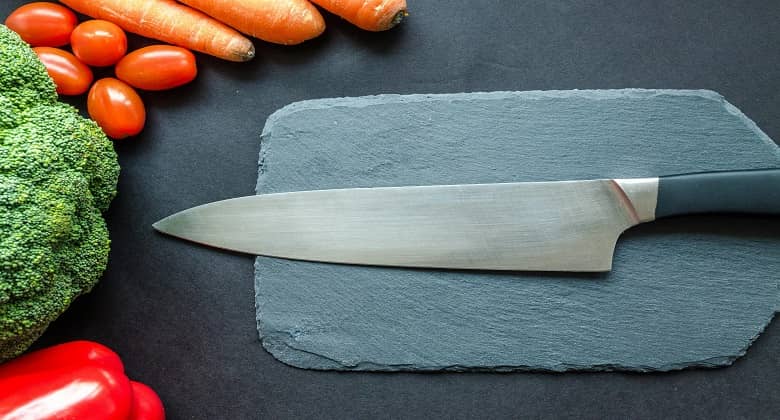
The chef’s knife is the most versatile and widely used knife in the kitchen. Typically ranging from 6 to 10 inches, it can handle chopping vegetables, slicing meat and general preparation tasks.
The paring knife is much smaller and ideal for precision work such as peeling fruit, trimming vegetables or handling delicate ingredients.
The bread knife features a serrated edge that allows it to slice through crusty bread without crushing it. It is also useful for cakes and soft fruits.
These three knives form a solid foundation for most kitchens.
Understanding Blade Materials
The material of the blade affects how sharp the knife can get, how long it stays sharp, and how much maintenance it requires.
Stainless steel is the most common option. It resists rust and corrosion, making it low-maintenance and practical for everyday use.
High-carbon steel can hold a sharper edge and often performs better for precision cutting. However, it requires more care to prevent rust and staining.
Stainless high-carbon steel combines elements of both, offering good sharpness with improved durability and resistance.
For most home cooks, stainless steel or stainless high-carbon steel provides the best balance of performance and convenience.
Blade Construction and Design
Not all knives are constructed in the same way. Forged knives are made from a single piece of steel and are generally stronger and more durable. Stamped knives are cut from a sheet of metal and tend to be lighter and more affordable.
Another factor is the tang, which refers to how far the blade extends into the handle. Full-tang knives, where the blade runs through the entire handle, are typically more balanced and durable.
Handle Comfort and Balance
A knife should feel comfortable and secure in your hand. Handles are made from various materials, including wood, plastic and composite materials. Each has its own feel and level of grip.
Balance is equally important. A well-balanced knife allows for smoother, more controlled movements and reduces fatigue during longer preparation sessions.
Knife Maintenance and Sharpening
Even the best knife will become dull over time. Regular maintenance is essential to keep it performing well.
Using a honing steel helps maintain the edge between sharpenings, while sharpening stones or professional services can restore the blade when needed.
It is also important to wash and dry knives by hand rather than using a dishwasher, as harsh conditions can damage both the blade and handle.
Knife Sets vs Individual Knives
Knife sets can be convenient and often represent good value, especially for new kitchens. However, they sometimes include knives that are rarely used.
Many experienced cooks prefer to buy individual knives, focusing on quality over quantity. Starting with a chef’s knife and adding others as needed can be a more practical approach.
Safety Considerations
A sharp knife is actually safer than a dull one, as it requires less force and is less likely to slip. Proper technique and a stable cutting surface also play an important role in safety.
Using a chopping board and keeping your fingers clear of the blade will help reduce the risk of accidents.
Final Thoughts
Choosing the right kitchen knives comes down to quality, comfort and practicality. A few well-made knives that feel good in your hand will serve you far better than a large collection of lower-quality options.
By focusing on the essentials and understanding what to look for, you can build a reliable set of tools that will improve your cooking experience for years to come.